
Group TherapyDefense Solutions
Menu
TrainingChurch SafetyAbout EdBookContactCouples Carry
Schedule a consultation

Safety as a ministry of care

Protect the people. Preserve the welcome.

Training, planning, and team-development support for churches that want a coordinated safety ministry without losing the warmth of worship.

More than an armed response

Readiness begins long before a crisis.

A mature church safety ministry brings leadership, communication, hospitality, medical readiness, and protective thinking into one coordinated system.

GTDS helps pastors, ministry leaders, staff, and volunteers prepare in a way that supports ministry, respects people, and creates clear responsibilities before an emergency occurs.

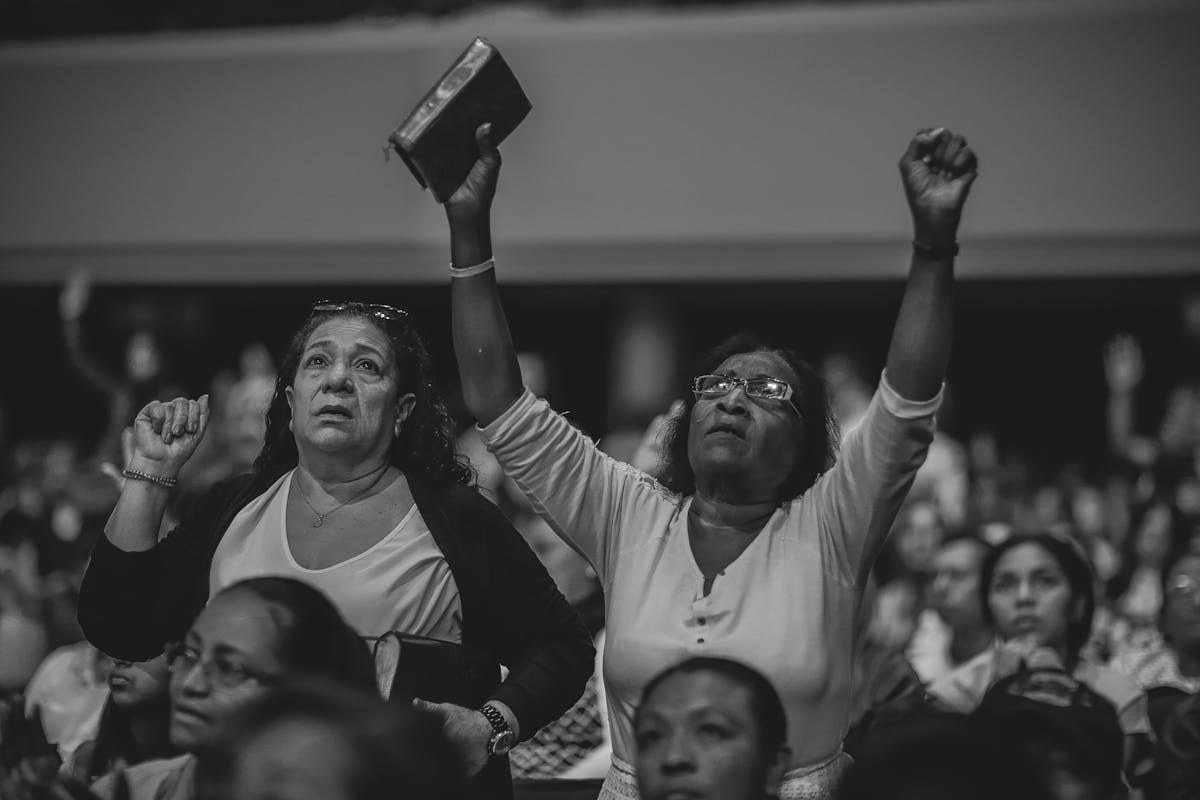
Congregation gathered inside a house of worship
Guiding principle
Preparation is stewardship practiced before the moment of need.

Three distinct ways to engage

Training, planning, and team development.

Each church has a different starting point. These services can stand alone or work together as leadership builds a sustainable safety ministry.

Leaders participating in a collaborative training sessionTraining

Protecting Your House of Worship

Give leaders and volunteers a shared foundation.

This practical training helps ministry leaders, staff, ushers, greeters, and safety volunteers understand how their roles work together to reduce risk and respond with confidence.

  • Situational awareness in a ministry environment
  • Recognizing and communicating concerns
  • Welcoming access and environmental awareness
  • De-escalation and coordinated decision-making
  • Emergency response roles and realistic scenarios

Discuss church training
Team reviewing an organized emergency planPlanning

Emergency Operations Plan

Turn informal knowledge into an actionable plan.

GTDS works with church leadership to organize a practical Emergency Operations Plan that reflects the facility, ministries, congregation, and existing resources. The goal is a usable framework, not a document that sits unread on a shelf.

  • Emergency roles, authority, and notification paths
  • Evacuation, sheltering in place, and safe room procedures
  • Responses to medical emergencies, fires, severe weather, missing people, and disruptive behavior
  • Communication, reunification, continuity, and recovery considerations
  • Drills, reviews, updates, and post incident practices
Schedule an EOP consultation
Church safety leaders developing policies and team proceduresConsultation

Security Team Development

Build a team that can be led, trained, and sustained.

This is a separate consultation for churches establishing a new safety or security team, or strengthening a team that already exists. GTDS helps leadership build the operating framework around the people, not simply assign posts.

  • Mission, scope, leadership structure, and team roles
  • Policies, procedures, standards, and accountability
  • Member selection, onboarding, training, and documentation
  • Sunday briefing, post assignment, radio, and incident checklists
  • Scenario planning, post incident review, and sustainment framework
Schedule a team consultation

Five-part framework

A whole-church approach to safety.

The strongest programs are not built around one person, one tool, or one scenario. They are built around coordinated habits that can be understood, practiced, and sustained.

01

Communication infrastructure

Clear roles, radio practices, notification paths, and leadership alignment.

02

Situational awareness

Recognizing concerns early without turning worship into surveillance.

03

Access and environment

Welcoming people thoughtfully while reducing avoidable vulnerability.

04

Emergency response

Evacuation, shelter-in-place, safe-room, medical, and coordinated response planning.

05

De-escalation

Communication-first practices that protect dignity while managing risk.

A sustainable process

Move from concern to coordinated readiness.

  1. 01
    Leadership alignment

    Clarify concerns, ministry priorities, authority, and the right starting point.

  2. 02
    Assessment and planning

    Review people, procedures, communication, facilities, and current resources.

  3. 03
    Training and practice

    Build shared expectations through instruction, checklists, drills, and scenarios.

  4. 04
    Review and sustainment

    Use briefings, documentation, after-action reviews, and scheduled refreshers.

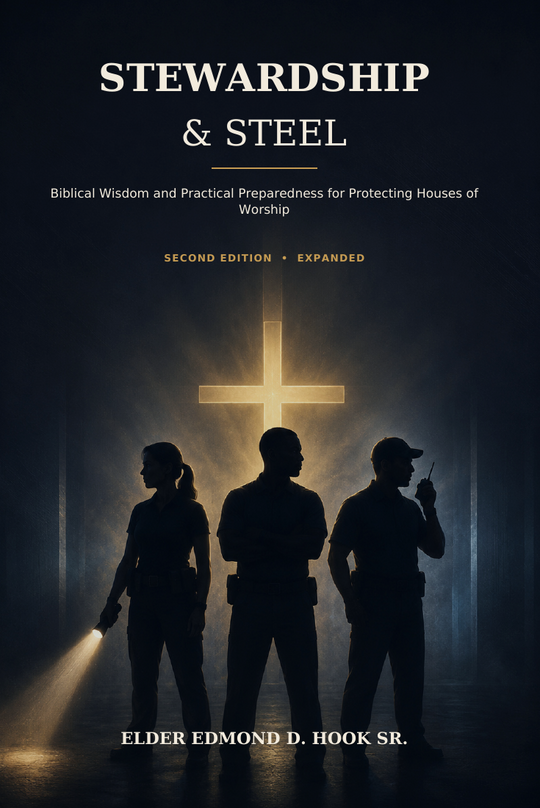
Stewardship and Steel

Companion resource

Stewardship & Steel

Extend the conversation beyond a workshop with biblical wisdom and practical preparedness for protecting houses of worship.

Explore the book

Start with clarity

Build a safety ministry with clarity.

Begin with a free conversation about your congregation, current team, concerns, and leadership priorities.

Schedule a church safety consultation